
Capybara plush backpacks have become a massive trend among children. Walk into any elementary school or playground, and you will likely spot one of these chunky, gentle-faced bags slung over small shoulders. But why exactly do kids love these particular plush companions so much? The answer lies in a mix of emotional comfort, sensory satisfaction, and the rising popularity of capybaras on social media. Unlike generic animal backpacks, the capybara design offers a calm, neutral expression that appeals to children seeking a soothing friend rather than a fierce predator. This article breaks down the psychology, design features, and practical reasons behind this phenomenon.
The Calming Face and Soft Body Appeal to Emotional Comfort

MorisMos Capybara Plush Backpack with 3 Babies
Check PriceChildren are drawn to faces that look relaxed and non-threatening. The capybara has a naturally serene expression with small ears, a blunt nose, and half-closed eyes. When translated into a plush backpack, this face becomes a constant source of reassurance. Kids often hug their backpack during moments of stress, like the first day of school or a doctor’s visit. The soft, squishy texture of these backpacks provides deep pressure stimulation, which many children find calming. This is similar to how weighted blankets work, but in a portable, wearable form. A capybara’s naturally friendly nature translates perfectly into a child-friendly product.
Unlike a rigid plastic or vinyl bag, the plush exterior makes the backpack feel like a stuffed animal. Kids do not view it as a school supply. They view it as a pet or a friend. This emotional attachment reduces morning resistance to school and makes transitions smoother for both parents and children.
Sensory Stimulation Through Ultra Soft Materials

Toynificent Capybara Backpack
Check PriceMost capybara plush backpacks are made from short pile plush fabric or soft fleece. This material is specifically chosen for its gentle feel against a child’s skin. Kids with sensory processing needs often seek out soft textures to self soothe. A backpack that feels like a blanket or a favorite stuffed animal becomes a soothing tool throughout the day. The fabric also holds warmth, which provides comfort in cold classrooms or air conditioned buildings.
The inner lining is usually made of smooth polyester, which makes it easy to slide small items in and out without snagging. The straps are padded with soft foam or extra fabric, preventing the rough edges of standard backpacks. Many designs include small embroidered details for the eyes and nose, rather than hard plastic pieces, avoiding any scratchy surfaces. This attention to softness is a key reason why children choose these backpacks over more rigid cartoon character bags.
How Sensory Needs Drive the Plush Backpack Trend
Occupational therapists often recommend plush backpacks for children who benefit from tactile feedback. The act of rubbing the soft fabric, squeezing the body of the bag, or simply pressing it against the chest provides organizing sensory input. For a child who feels overwhelmed by noise or crowds, holding a plush capybara bag can serve as a portable sensory break. The neutral face of a capybara, which never looks aggressive or surprised, offers a predictable visual anchor.
Compact Storage Still Fits Daily Essentials

Xyridon Capybara Backpack Orange
Check PriceWhile these backpacks look like toys, they are designed to function. The main compartment is often large enough for a small notebook, a snack container, and a few small toys. Many capybara backpacks include a front zipper pocket for treasures like erasers or sticker sheets. The side mesh pockets are perfect for a small water bottle or a juice box. Kids love the idea of carrying their own belongings, and the plush design makes that responsibility feel less like a chore.
The zippers on quality plush backpacks are smooth and durable, designed to withstand daily use by small hands. The interior is often lined with a waterproof or wipe clean material in case of spills. This blend of cuteness and function is exactly what makes the capybara backpack a favorite for preschool and early elementary students. A guide to the best plush backpacks shows how varied the storage options are.
What Fits Inside a Capybara Plush Backpack
- A small drawing pad or thin paperback book
- Snack packs and fruit pouches
- Small plush toys or action figures
- Hand wipes or a mini first aid kit
- Crayons or colored pencils in a slim case
Because the bag is soft, it can be squished into a cubby or a car seat without taking up too much room. This flexibility is a huge advantage over hard shell backpacks that stick out and get caught on doors or chairs.
The Capybara Trend on Social Media Influences Kids
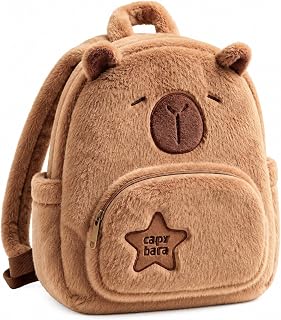
Kawaii Capybara Plush Backpack 11.8 Inch
Check PriceCapybaras have become internet celebrities. Videos of capybaras sitting calmly in hot springs, walking with turtles, or hanging out with crocodiles have gone viral. Kids see these animals as peaceful kings of the animal world. The famous image of a capybara with an orange on its head or a bird on its back creates a humorous yet gentle character that translates brilliantly into plush form. When a child carries a capybara backpack, they are participating in a shared cultural moment.
This trend is not limited to one region. The popularity of capybara cafes in Japan and the spread of capybara memes globally have made the animal recognizable even to toddlers. Wearing a capybara backpack is a way for kids to connect with a positive online community without using a screen. It gives them a conversation starter with friends. Many children enjoy pretending their backpack is a real capybara that sleeps, eats, and travels with them.
Unique Details Like Baby Capybaras and Orange Accents

Capybara Crossbody Bag 3-in-1
Check PriceSome capybara backpacks feature removable baby capybaras, tiny oranges, or little turtles that attach with Velcro or small straps. These extra details give kids a sense of collection and care. They can rearrange the accessories, share a baby capybara with a friend, or store the orange in the front pocket. This interactive element adds play value that a standard backpack cannot offer. The opportunity to personalize the backpack keeps children engaged with it long after the initial purchase.
Other designs include a capybara with a turtle on its head or a small bee attached to its ear. These whimsical combinations reflect the real life footage of capybaras coexisting peacefully with other animals. Kids are naturally curious about the capybara crocodile relationship and other interspecies friendships. A backpack that depicts a capybara with a turtle or bird references that curiosity in a playful way.
Practical for Travel, School, and Sleepovers

Wonfirang Capybara with Turtle Backpack
Check PriceThe versatility of a capybara plush backpack makes it perfect for many occasions. For school, it holds a lunchbox and a few school supplies. For travel, it doubles as a pillow on long car rides or flights. The soft plush body means a child can lean against the backpack and rest their head without discomfort. For sleepovers, the backpack carries pajamas and a toothbrush while serving as a familiar comfort object in an unfamiliar house.
Parents appreciate that the backpack is machine washable in many cases. A quick spot clean with a damp cloth usually handles minor dirt. The straps are adjustable to fit different body sizes, from toddlers to older children. The buckles are often simple side release clips that small fingers can operate. This independence is a big deal for kids who want to do things ‘all by myself.’
Age Range and Fit Considerations
Most plush capybara backpacks fit children aged three to ten years old. The smaller 9 to 11 inch models are ideal for toddlers and preschoolers. The larger 12 to 20 inch models work well for elementary school students and even adults who want a playful daypack. The straps should sit comfortably on the shoulders without sliding off. Since the pack is soft, it conforms to the child’s back rather than digging in. This makes it a gentle option for young spines.
Comparing Capybara Plush Backpacks to Other Animal Backpacks

PIXIUTANK Adorable Capybara Backpack
Check PriceKids have many plush backpack choices: dinosaurs, unicorns, sharks, pandas, and more. The capybara stands out because of its neutral shape. A shark backpack has fins and teeth that can feel aggressive. A unicorn has a horn that can poke or bend. A capybara backpack is simply a rounded, soft body with no protruding plastic or sharp edges. This makes it safer for crowded hallways and easier to pack. The capybara’s brown and tan color scheme also hides dirt better than white or pastel colored plush bags.
Another advantage is the capybara’s association with calmness. A dinosaur or dragon backpack suggests action and noise. A capybara backpack suggests relaxation and friendship. For a child who experiences anxiety or sensory overload, the capybara is a more soothing visual symbol. The gentle social behavior of real capybaras, such as their soft purring and clicking sounds, aligns perfectly with this calming product design.
Durability and Care Tips for Long Lasting Love

OULIGET Capybara Cute Plush Bag
Check PriceTo keep a capybara plush backpack looking fresh, parents should follow a few simple care steps. First, check the care label. Many are surface wash only, which means a damp cloth and mild soap will remove most stains. If the backpack is machine washable, place it inside a mesh laundry bag and use a gentle cycle with cold water. Air dry the backpack completely to prevent the plush fabric from matting. Avoid using a dryer, as the heat can damage the fibers and loosen the zipper seals.
- Spot clean stains immediately with a soft cloth
- Brush the plush fabric with a soft bristle brush to restore fluff
- Keep the zipper pulls free of sand and crumbs
- Store the backpack in a cool dry place away from direct sunlight
- Avoid overloading to prevent the straps from stretching
With proper care, a quality plush capybara backpack can last several years. Many children keep them on a bed or shelf as a decorative plush even after they outgrow the backpack phase. The emotional value of the item often outlasts its practical use.
Why the Orange on the Head Makes Kids Laugh

Ditucu Capybara with Turtle Backpack 9in
Check PriceOne of the most iconic capybara images is a capybara relaxing in a hot spring with a small orange resting on its head. This image has become a meme and a symbol of ultimate relaxation. Many capybara plush backpacks include a small orange accessory that sits on the head or attaches with a strap. Kids find this detail hilarious and charming. It gives the backpack a playful touch that sparks conversations and laughter.
The orange also connects to the real behavior of capybaras. They do enjoy fruits as treats, and their love of oranges is well documented by zookeepers and pet owners. This small factual detail makes the backpack feel educational as well as cute. Parents can use the backpack as a jumping off point to teach kids about capybara diets and habitats.
Capybara Plush Backpacks as Gifts for Any Occasion

Redaica Capybara Plush with Backpack
Check PriceThese backpacks make excellent gifts for birthdays, holidays, or back to school surprises. They suit both boys and girls, as the natural brown color and calm expression are gender neutral. Parents often buy them as a ‘first backpack’ for a child starting preschool. Grandparents love giving them because they are practical and adorable at the same time. The price point is usually affordable, ranging from twenty to fifty dollars depending on size and brand.
For a child who loves animals but cannot have a real pet, a capybara plush backpack offers a sense of responsibility and companionship. They can ‘feed’ the backpack pretend food, tuck it in at night, and take it on adventures. This imaginative play supports emotional development and helps children practice caregiving skills. The fact that the backpack also carries their belongings makes it a dual purpose companion.
How to Choose the Right Capybara Backpack for Your Child

The Petting Zoo Capybara Backpack 20in
Check PriceConsider the child’s age and intended use before buying. For a toddler, a smaller 9 to 10 inch backpack with simple zippers works best. For a kindergartner who carries a lunchbox and a folder, a 12 to 14 inch backpack offers more room. For an older child who wants a statement piece for trips to the zoo or museum, a 20 inch backpack makes a bold choice. Check the strap length and padding. Look for reinforced stitching around the zipper and the strap attachment points, as these are common failure areas.
- Measure the child’s torso to ensure the backpack sits above the waist
- Look for a wipe clean or water resistant lining
- Choose a design with secure accessory attachments to avoid losing small parts
- Read reviews about zipper quality and plush durability
- Prefer darker brown shades for easier stain hiding
Also consider whether the child prefers a crossbody style or a traditional two strap backpack. Crossbody versions are easier for quick trips but hold less. Traditional backpacks distribute weight better for daily use. Some models convert from a backpack to a shoulder bag, offering the best of both worlds.
Frequently Asked Questions About Capybara Plush Backpacks

Ditucu Capybara with Bee Backpack
Check PriceAre capybara plush backpacks safe for toddlers?
Yes, most plush capybara backpacks are designed for ages three and up. They use soft materials, secure zippers, and no small detachable parts that could be choking hazards. Always check the manufacturer’s recommended age and inspect the bag for loose accessories before giving it to a toddler.
Can a capybara plush backpack fit a standard folder?
Larger models, around 14 to 20 inches, can fit a standard paper folder if you angle it slightly. Smaller models under 12 inches are better for snacks, small books, and toys rather than school folders. Measure the interior dimensions before buying if folder fit is important.
How do I clean a capybara plush backpack?
Spot clean with a damp cloth and mild soap for most stains. If the care label allows machine washing, use a mesh bag, cold water, and a gentle cycle. Air dry completely. Do not use heat, bleach, or a dryer, as these can damage the plush fabric and zippers.
Do capybara backpacks work for boys and girls?
Absolutely. The natural brown tones and calm expression are gender neutral. The whimsical details like oranges, turtles, and baby capybaras appeal to any child who loves animals and soft textures.
Why are capybaras so popular with kids right now?
Capybaras have gone viral on social media as calm, friendly animals that get along with other species. Their peaceful demeanor and humorous memes make them very appealing to children. The plush backpack trend follows this wave of capybara admiration. For more details on capybara behavior, check out the capybara facts guide.
Final Thoughts on This Beloved Plush Backpack

CHDBLOCK Capybara Plush Toy 13 Inch
Check PriceKids love capybara plush backpacks because they combine emotional comfort, sensory satisfaction, and playful personality in one practical item. The calm face, ultra soft fabric, and adorable details like oranges and baby capybaras set these backpacks apart from other animal bags. They are easy to clean, fun to personalize, and durable enough for daily adventures. Whether for school, travel, or a special gift, a capybara plush backpack gives children a soft friend to carry with them wherever they go. The trend shows no sign of slowing down, and with good reason. These backpacks deliver exactly what kids need: a hug they can wear.